ByadminBlogsComments Off on Eco-Friendly Embroidery: Sustainable Materials & Practices
The embroidery industry is undergoing a transformation. As global awareness about environmental issues grows, more businesses and designers are choosing eco-friendly methods to reduce their carbon footprint. Embroidery, traditionally dependent on synthetic threads and resource-heavy production, is finding new ways to become greener.
Eco-friendly embroidery is not just a trend — it’s a necessary shift toward sustainability. From using organic threads to embracing low-waste production methods, companies are rethinking how they design, produce, and deliver embroidery. This blog will explore how sustainable materials and responsible practices are shaping the future of embroidery.
Why Sustainability Matters in Embroidery
The fashion and textile industry is one of the largest polluters globally. Conventional embroidery adds to this problem through the use of synthetic fibers, chemical dyes, and energy-intensive processes. Waste generated from thread spools, water usage, and fabric offcuts also adds to the environmental burden.
Sustainable embroidery offers a solution. By adopting greener materials and responsible production methods, embroidery businesses can help reduce pollution, conserve natural resources, and support ethical practices.
Choosing Sustainable Materials
The first step toward eco-friendly embroidery is selecting the right materials. Fortunately, many options are now available that are both high-quality and kind to the planet.
1. Organic Cotton Threads
Organic cotton is grown without synthetic pesticides or fertilizers, making it a cleaner alternative to conventional cotton. It’s also biodegradable and soft, making it ideal for embroidery on baby clothes, casual wear, and eco-conscious fashion.
2. Recycled Polyester Threads
These threads are made from recycled plastic bottles and other post-consumer waste. Using recycled polyester reduces plastic pollution while giving waste a second life. It’s durable and colorfast, making it a good fit for uniforms and accessories.
3. Bamboo Fiber Threads
Bamboo grows quickly without the need for chemicals, making it a sustainable raw material. Bamboo threads are naturally antibacterial, moisture-wicking, and eco-friendly. They’re ideal for luxury embroidery on towels, bathrobes, or high-end fashion items.
4. Natural Dyes
Many embroidery threads use synthetic dyes that can harm water systems. Switching to natural, plant-based dyes reduces chemical runoff and supports cleaner production. These dyes also give threads a unique, earthy tone perfect for artisan and handmade designs.
Eco-Conscious Backing and Stabilizers
It’s not just threads that matter — stabilizers and backing used in embroidery can also impact the environment. Traditional stabilizers are often made of synthetic fibers or plastic.
Eco-friendly alternatives include:
Water-soluble stabilizers that dissolve after washing
Biodegradable tear-away backings made from plant fibers
Recycled paper-based stabilizers
These options help reduce waste and improve the environmental profile of each embroidery project.
Energy-Efficient Embroidery Practices
Sustainability doesn’t stop at materials. How embroidery is digitized, stitched, and finished also plays a big role in overall impact.
1. Using Energy-Efficient Machines
Modern embroidery machines are more energy-efficient than older models. Businesses can reduce electricity use by upgrading to newer machines or adjusting settings to run at optimal speeds. Scheduled maintenance also helps machines run efficiently and last longer.
2. Batch Production
Combining multiple embroidery jobs in one run reduces machine startup energy and minimizes fabric waste. Grouping orders by thread color or size can also save time and thread.
3. Low-Waste Layout Planning
Design planning software helps reduce waste by positioning embroidery patterns efficiently on the fabric. This reduces offcuts and excess backing usage. It’s a smart move for both sustainability and cost savings.
Digital Tools and Eco-Friendly Design
Digital technology supports sustainability in embroidery in surprising ways. For example, the digitizing process — converting artwork into machine-readable embroidery files — has become more eco-conscious.
Instead of printing designs or testing repeatedly on fabric, digital previews allow for accuracy before stitching even begins. This saves thread, stabilizers, and fabric — all while reducing production time and errors.
Designers using vector art also play a role in sustainability. Vector graphics can be scaled without losing quality, allowing one file to be used across multiple sizes and product types. This reduces the need to create new designs for every order, saving time and resources.
Eco-Friendly Packaging and Shipping
The commitment to sustainability should continue after the embroidery is complete. Eco-friendly packaging and shipping can help reduce waste and promote a greener brand image.
1. Recycled or Recyclable Packaging
Choose packaging made from recycled cardboard or paper. Avoid plastic where possible. Kraft paper, biodegradable mailers, and paper-based tapes are great alternatives.
2. Minimal Packaging
Reduce the use of excessive wrapping and focus on functional, minimal packaging. Customers increasingly value businesses that avoid waste.
3. Carbon-Neutral Shipping
Some shipping carriers offer carbon offset programs. Partnering with them helps reduce the carbon footprint of each delivery.
Promoting a Green Brand
Adopting sustainable practices also creates a marketing opportunity. Eco-conscious consumers actively look for businesses that care about the planet. If your embroidery brand uses eco-friendly materials and methods, share it with your customers.
Include sustainability details on your website, product tags, and social media. Use keywords like “organic embroidery,” “eco-friendly threads,” or “sustainable stitching” to reach environmentally-aware audiences.
Challenges to Going Green
While eco-friendly embroidery is a positive change, it does come with challenges.
1. Higher Costs
Organic and recycled threads may cost more than traditional ones. Businesses may need to balance quality, pricing, and profitability carefully.
2. Limited Availability
Eco-friendly materials might not be available in all colors, textures, or quantities. This can affect design flexibility and order fulfillment.
3. Customer Education
Not all customers understand the value of sustainable embroidery. Businesses must educate their audience on why eco-friendly options matter — and why they might cost slightly more.
Despite these challenges, the long-term benefits to the environment and your brand’s reputation far outweigh the difficulties.
Final Thoughts
Eco-friendly embroidery is more than just a buzzword — it’s a step toward a cleaner, more responsible industry. By using organic threads, low-waste production, and digital design tools, embroidery professionals can create beautiful work while protecting the planet.
Whether you're a large embroidery shop or a home-based designer, adopting sustainable practices is possible — and powerful. With smarter choices and a commitment to the environment, embroidery can look good and do good at the same time.
Halloween embroidery patterns let you create seasonal decorations, personalized gifts, clothing details, and small handmade keepsakes with basic needlework skills. You can choose cute ghosts, black cats, pumpkins, bats, witch hats, cobwebs, or detailed haunted houses, then adapt the colors and stitches to your project. For beginners, simple outlines and...
An embroidered beanie adds a personal touch to your winter wardrobe with custom flowers, initials, leaves, or geometric designs. You can embroider a knit beanie by hand with embroidery floss, a needle, and a suitable stabilizer, or use an embroidery machine for more detailed designs. The key is to control...
Embroidery thread colors affect design visibility, brand consistency, texture, and the appearance of finished stitches. The right shades help you reproduce logos accurately, create realistic artwork, and coordinate embroidery with fabric. An embroidery thread colors chart helps you identify shades by number, name, and color family, while conversion charts help...
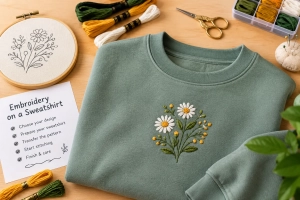
Learning how to embroider on a sweatshirt requires a suitable design, the right stabilizer, and careful fabric control. Sweatshirt fleece is thicker and stretchier than woven cotton, so preparation matters. With a home embroidery machine or hand needle, you can create a custom motif, name, border, or sleeve detail. Quality...
Bulk Christmas gift orders come with tight deadlines. Speed and accuracy matter more than ever during the holiday season. Vector artwork helps businesses complete large orders faster without sacrificing quality. Clean Artwork Reduces Preparation Time Vector files arrive clean and organized. They do not require heavy cleanup or redraws. This...
Christmas gifts need to look clean, polished, and professional. Vector files play a major role in achieving that quality. Without proper vectors, even the best gift idea can lose its premium feel. Clean Designs Start with Vector Artwork Vector files use smooth paths instead of pixels. This keeps artwork sharp...
Last-minute Christmas gifts still need to look thoughtful and premium. Digitizing makes fast customization possible without sacrificing quality. When time is short, embroidery digitizing delivers reliable and professional results. Why Digitizing Is Ideal for Urgent Christmas Orders Digitized embroidery runs quickly once files are ready. There is no drying time...
Christmas gifts should feel special the moment someone sees them. Digitized embroidery adds that premium touch through clean stitching and rich detail. Unlike basic decoration, professional digitized embroidery transforms simple items into high-end holiday gifts. Premium Gifts Start with Professional Digitizing Embroidery quality depends on how well a design is...
Are you searching for professionally digitized Christmas embroidery patterns ready for immediate use? There's no need to waste time with poor-quality designs or DIY digitizing struggles! A comprehensive pattern library with professionally prepared files saves time and ensures consistent quality. This guide will show you what makes a premium pattern...