
High-Quality Digitizing Services for Custom Designs and Complex Logo Artwork
Send Quick Quote
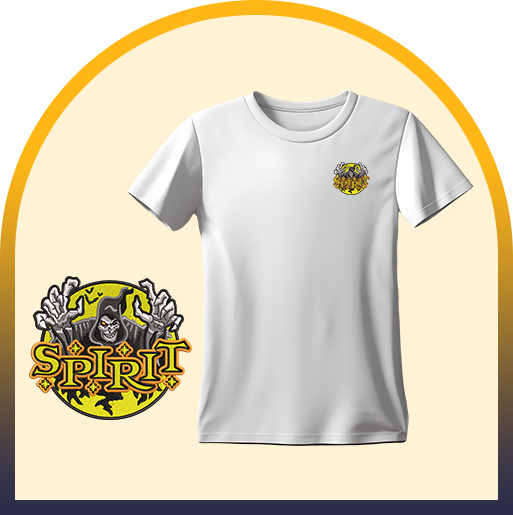
What Are Digitizing Services and Why Do They Matter?
How Our Digitizing Process Works
Upload Artwork
File Review
Digitizing Begins
Quality Check
File Delivery
Professional Digitizing Services for Flawless Embroidery Results
We test files internally before they reach you, catching thread breaks, registration issues, and density problems that would otherwise show up mid-production. Precision digitizing means paying attention to details most people never notice until they’re missing: consistent thread tension, clean edges on small letters, and stitch paths that don’t leave gaps between color blocks.
Whether you’re running a single sample or a full production batch, the file you receive has already been through the same scrutiny our own machines would apply, so what you get isn’t a guess. It’s a file built to perform.
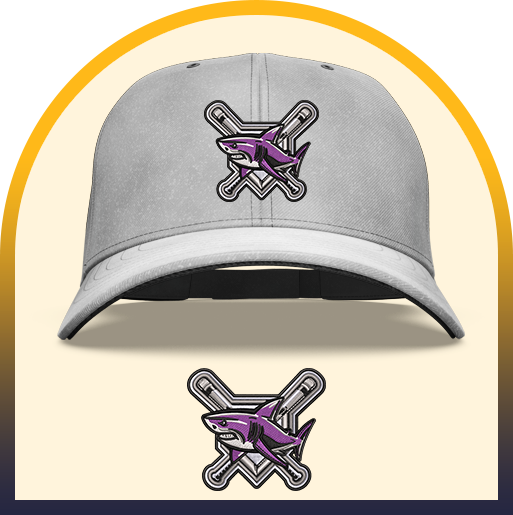
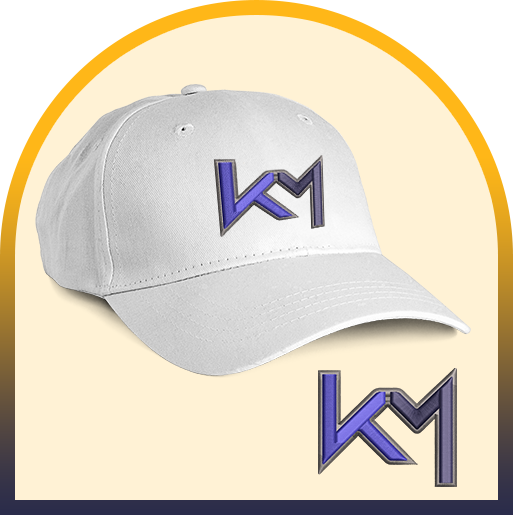
Benefits You Get From Professional Digitizing Services
What You Actually Gain
Digitizing for Different Fabrics and Applications You Actually Use
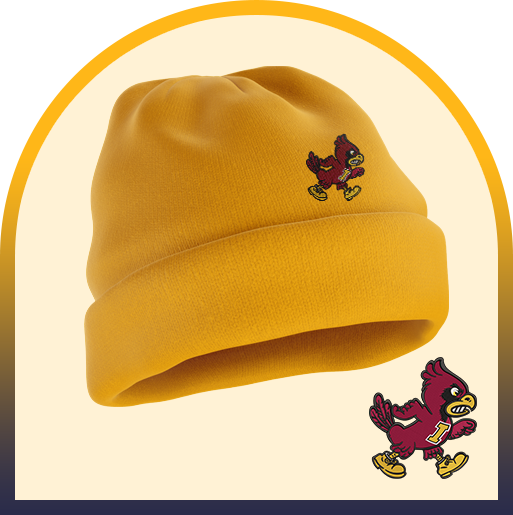
Files Ready for Every Machine You Run
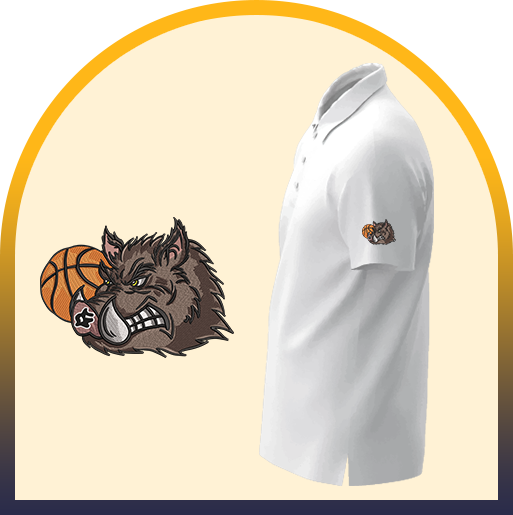
What Actually Goes Into a High-Quality Embroidery File
Stitch direction controls how light reflects off the thread, which is why a poorly directed fill can look flat or patchy even when the color is right. Underlay stabilizes the fabric underneath before the top stitching goes down, preventing shifting on stretchy or unstable materials like knits and fleece.
Density determines how tightly stitches sit together; too dense and the fabric puckers or the needle breaks thread, too loose and the design looks thin or gappy. Meanwhile, pull compensation accounts for the fact that fabric stretches slightly as it’s stitched, so shapes come out true to size instead of shrinking or distorting once the hoop comes off.
Trim points and color sequencing matter too, since a poorly sequenced file forces unnecessary stops that slow production and add wear on your machine. Every one of these elements gets set intentionally in our files, not left to a default auto-digitizing setting that ignores your specific fabric and design.
Why Businesses Nationwide Trust Us for Digitizing Services Every Time
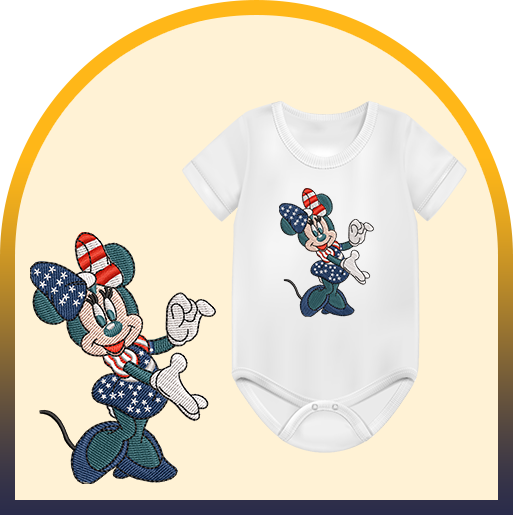
What Sets Quality Care Digitizing Apart
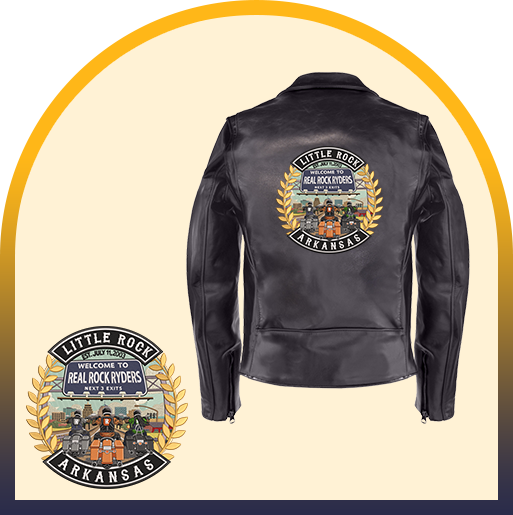
Custom Digitizing Built Around Your Exact Embroidery Requirements
We don’t push a single template at every job. Instead, we look at your artwork, your fabric, your machine, and your timeline, then build a file around those specifics instead of forcing your design into someone else’s process. That’s what custom digitizing actually means here, not a marketing phrase, but a working method.
As an embroidery digitizing company, we’ve handled logos for apparel brands, patches for uniform suppliers, cap designs for promotional companies, and detailed artwork for clients who’d already been burned by rushed, low-quality files elsewhere. Each of those jobs needed something slightly different, and each one got it.
If your next design has specific requirements, whether that’s an unusual fabric, a tight color match, or a machine format your current provider doesn’t support, send it over and let us build the file around what you actually need. You won’t have to explain your setup twice or settle for a file that almost works. Reach out through Quality Care Digitizing and get a file built for your exact job, not a generic one.
The Digitizing Services We Offer
Get Your Design Digitized the Right Way
Send your artwork over and get a production-ready embroidery file back, fast.
Frequently Asked Questions
What is dye diffusion thermal transfer (D2T2), and is it the same as sublimation?
Both methods use heat to move dye into a surface, which is why people link them. D2T2 uses a thermal printhead and dye ribbon, mainly for ID cards and photo prints. Dye-sub printing for apparel uses transfer paper and a heat press on polyester.
How long does sublimation printing last?
Dye-sub ink bonds with polyester fibers, so the print does not crack or peel. With proper care, it often lasts as long as the garment itself. Wash it inside out in cool water and air dry to keep colors bright for years.
Do you prepare artwork for sublimated hoodies and other apparel?
Yes. We prepare files for sublimated hoodies, shorts, leggings, warm-up tops, and more. Each garment uses a different pattern, so we set up your artwork on the correct template with accurate bleed, seams, and placement. You receive one clean file for each garment type.
Can sublimation be used on dark fabrics?
Not directly. Sublimation dye is transparent, and the process uses no white ink, so colors vanish on dark garments. Light polyester gives the truest color. We design artwork around your fabric and tell you early if a dark base will limit the result.
Can you sublimate on cotton shirts?
Pure cotton does not hold sublimation dye, so prints look faded or wash out quickly. A polyester blend with at least 65 percent polyester works better, though colors appear softer. For the brightest result, choose 100% polyester. We adjust your artwork for blends.
What file formats and resolution do you need?
Send vector files such as AI, EPS, SVG, or PDF whenever you can. For images, PNG at 300 DPI at print size works well. If your logo arrives blurry or small, our artists rebuild it as a clean, scalable vector.
How is dye-sublimation different from screen printing?
Screen printing lays a layer of ink on top of the fabric, while sublimation turns dye into gas that enters polyester fibers. You get edge-to-edge, full-color designs without a raised feel, and breathable fabric stays breathable. Screen printing suits cotton better.
Can you design custom sublimated jerseys for sports teams?
Yes. We prepare custom sublimated jerseys for sports teams, including panel layouts, team colors, logos, player names, and numbers. Send your roster and any printer template, and we match every element to the garment so the whole team looks consistent.
What is the best fabric for sublimation shirts?
One hundred percent polyester gives the brightest color and the longest-lasting print. Performance mesh and polyester jersey work especially well for athletic wear. Blends with at least 65 percent polyester also work, but the colors look slightly muted. Light colors print truest.
Our Mission
Quality Care Digitizing exists to deliver dependable embroidery digitizing nationwide, at prices that stay affordable no matter the order size, so quality stitching never comes at a premium.
Any Questions?
Still have questions about embroidery digitizing?