
Create Your Own Custom Bullion Patches With Real Metal Wire Detail
Send Quick Quote
What Are Bullion Patches and Why Do They Look Different?
Most bullion wire comes in gold and silver tones, and craftsmen pair it with silk thread, colored cord, or small sequins to add detail inside the design. The base fabric is usually velvet, felt, or twill, which gives the metal a rich, dark background. Because the wire is too delicate for most machines, each piece is sewn by hand, so every patch carries small marks of the person who made it.
This handwork is the reason military units, police departments, private clubs, and schools have trusted bullion badges for generations. When you admire a golf club blazer crest or a dress uniform insignia, you are probably looking at bullion work. With care, these patches keep their shine for decades.
Bullion Patch Materials and Construction Options That Fit Your Design

Gold Bullion Wire
Gold bullion wire is the traditional material behind most crest patches, and it suits laurels, crowns, borders, and lettering. The coiled wire catches light from every angle, so your emblem looks bright even from across a room. We match the gold tone to your design, from a warm antique shade to a brighter, polished finish.
Silver Bullion Wire
Silver bullion wire gives your design a crisp, cool finish that works well for shields, stars, swords, and modern logos. It stands out against navy, black, and maroon backgrounds. Many police departments, fire services, and yacht clubs prefer silver because it pairs neatly with their uniform buttons, rank insignia, and existing hardware on the garment.
Two-Tone Metalwork
When you combine gold and silver wire in one crest, each element of your design gets its own identity. For example, a silver shield can sit inside a gold wreath, or gold lettering can frame a silver emblem. This contrast adds depth and helps viewers read the separate parts of your crest at a glance.

Velvet Base Fabric
Velvet is the most traditional base for bullion badges, and its soft pile absorbs light while the metal wire reflects it. That contrast makes your gold and silver work look brighter and richer. We offer velvet in deep shades such as navy, black, royal blue, burgundy, and forest green to match your blazer or uniform.
Felt and Twill Base
Felt and twill give your patch a firmer, flatter base than velvet, which suits caps, bags, and uniforms that see frequent wear. Both fabrics hold heavy wire without sagging and keep clean edges after trimming. They cost less than velvet, so they work well for larger orders, team jackets, and members who wear crests often.
Silk Thread Accents
Bullion wire covers the outlines and raised areas, while silk or rayon thread fills in colored details such as flags, animals, and mottos. This combination lets you keep your brand colors inside a metallic frame. We match each thread shade to your artwork, so your crest stays true to the colors your members already recognize.
Sew-On Construction
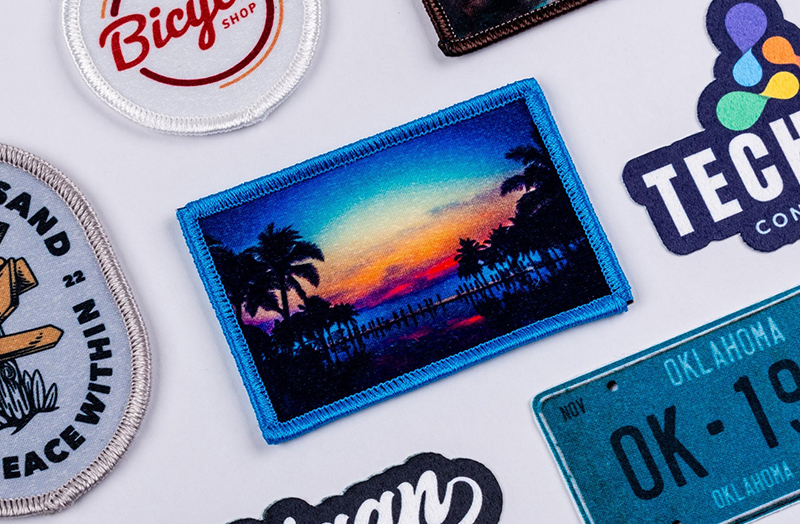
Most bullion patches are made as sew-on pieces because the wire adds weight that adhesive backing cannot hold. A tailor stitches the patch through its edge, so it sits flat and stays secure through years of wear. This option suits blazers, dress uniforms, and jackets where you want the crest attached permanently to one garment.
Clutch Pin and Hook-and-Loop Backing
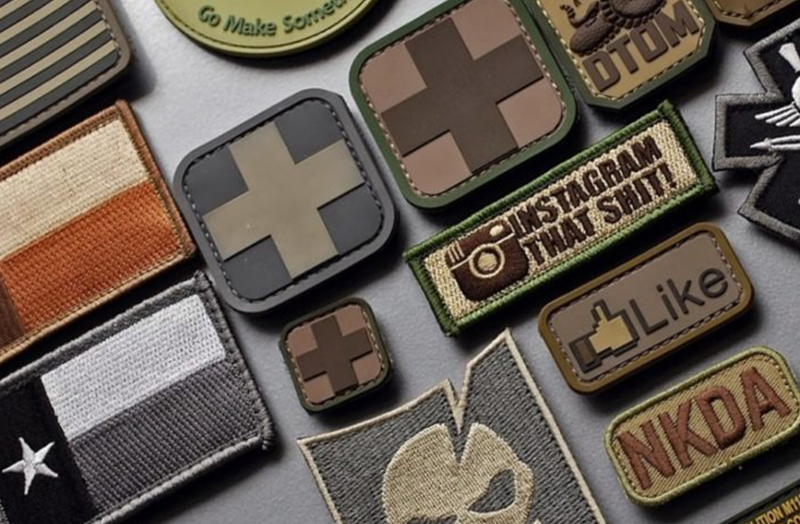
If you want to move one crest between several garments, we can add clutch pins or hook-and-loop backing. Clutch pins let you fasten the patch to a blazer pocket and remove it quickly before each dry cleaning. Hook-and-loop backing suits tactical and service uniforms, where members switch insignia often without a needle, thread, or tailor.

Who Custom Bullion Patches Are Made to Serve
Similarly, police departments, fire services, and security teams choose them for formal events, graduations, and memorial services. Private clubs rely on them too, as golf, yacht, and country clubs place crest patches on member blazers to mark belonging.
Fraternities, sororities, Masonic lodges, and alumni groups also order them for initiation gifts and reunion jackets. Schools and colleges add them to uniform blazers, while fashion labels and boutique brands use bullion work on outerwear, caps, and bags. Even if you only need a small batch for an anniversary, a retirement gift, or a framed keepsake, a bullion crest gives the moment a finish it will keep.
How Bullion Patches Are Made, From Artwork to Final Stitch
Once you approve the digital proof, the artisan traces this layout onto the base fabric and stretches it tightly in a frame. Next, the artisan builds up padding under areas that need height, such as crowns, shields, and lettering. This padding gives the finished crest its raised, sculpted look. After that, the artisan cuts the coiled bullion wire into short lengths and stitches each piece over the padding by hand, one section at a time. This stage takes the most time and skill. Silk thread, cord, or sequins then fill the smaller colored details.
When the metalwork is complete, the artisan backs the patch with stiff fabric to keep it flat, trims the edges, and adds any clutch pins or hook-and-loop backing you selected. Finally, each patch goes through a close inspection for loose wire, uneven edges, and color match before it ships to you.
What Makes Bullion Patch Design Different From a Standard Embroidered Patch?
Instead of a full thread palette, your design relies mainly on gold and silver wire, with silk thread for smaller colored areas. Gradients, shading, and photo-style detail do not suit bullion work, so a bold outline and clear shapes give you the strongest result. Height is the third factor. Because the artisan raises certain areas with padding, you can decide which parts of your emblem stand out most, such as a crown, a shield, or your organization’s initials.
Finally, the base color matters, since dark velvet or felt makes the metal look brighter. Our team checks your artwork against these points and suggests changes before production begins. When your design follows these principles, your crest reads clearly from across a room and keeps its detail for years of wear.
Why Choose Quality Care Digitizing for Bullion Patches
Turn Your Logo Into a Hand-Stitched Bullion Crest
Send us your logo, sketch, or old badge, and our team will return a free quote and a clear digital proof.
Frequently Asked Questions
Can you recreate an old or worn bullion badge?
Yes. Send us clear photos of the front of your old badge along with its measurements, and we will rebuild the design as a new layout. You then review a digital proof, so the replacement crest matches the original before production begins.
What size should my bullion patch be?
Most blazer crests measure around three to four inches, which leaves enough space for clear lettering and raised detail. Smaller patches work for caps and lapels, but they need a simpler design. We review your artwork and recommend a size that keeps every element readable.
Why do bullion patches cost more than regular patches?
The price reflects the materials and the time involved. Bullion wire costs more than thread, and each patch takes hours of careful handwork instead of minutes on a machine. Size, number of wire colors, padding height, and backing type also affect your final quote.
Can I wash clothes with bullion patches on them?
You should never put bullion patches in a washing machine, as water and friction can tarnish or loosen the wire. Spot clean the garment gently or use a dry cleaner who handles metallic trim. Clutch pin patches can simply come off before cleaning.
How do I attach a bullion patch to a blazer?
We recommend sewing because the metal wire adds weight that iron-on adhesive cannot hold. A tailor can stitch the patch neatly through its edge. If you want to move the crest between garments, choose clutch pins or hook-and-loop backing instead.
Is the gold in bullion patches real gold?
Modern bullion wire usually contains only a trace of real gold. Most wire is made from metal alloys with a gold or silver finish, which keeps the price practical while still giving your crest the classic shine people expect from traditional bullion work.
Are bullion patches made by hand?
Yes. Bullion wire is too delicate for most embroidery machines, so skilled artisans cut and stitch each piece by hand. This handwork explains the rich texture of every crest, as well as the small variations you may notice between patches in one order.
What is the difference between bullion patches and embroidered patches?
Embroidered patches use polyester or rayon thread stitched by machine, while bullion patches use coiled metal wire sewn by hand. The wire sits on top of the fabric, which gives bullion patches a raised, shiny, three-dimensional look that regular thread cannot create.
Our Mission
Quality Care Digitizing exists to deliver dependable embroidery digitizing nationwide, at prices that stay affordable no matter the order size, so quality stitching never comes at a premium.
Any Questions?
Still have questions about embroidery digitizing?