
Custom Shirt Patches Built Exactly Around Your Logo, Brand, or Artwork
Send Quick Quote
What Types of Shirts Can Use Custom T-Shirt Patches?
Work shirts and uniforms made from heavy twill or canvas handle thick embroidered patches, and a sew-on finish keeps them firm through tough industrial washes. Similarly, denim and flannel shirts carry leather, chenille, and appliqué patches without any strain.
Performance and polyester shirts need extra care because high iron heat can scorch synthetic fibers, so we suggest sew-on backing for them. Meanwhile, button-down and dress shirts also work when you want a small, discreet logo on the pocket or cuff. Tell us the shirt style and fabric, and we will recommend a patch size, material, and backing that fits it. That way, your custom T-shirt patches look clean on day one and stay that way.
Choose the Right Patch Type for Your Shirt and Purpose
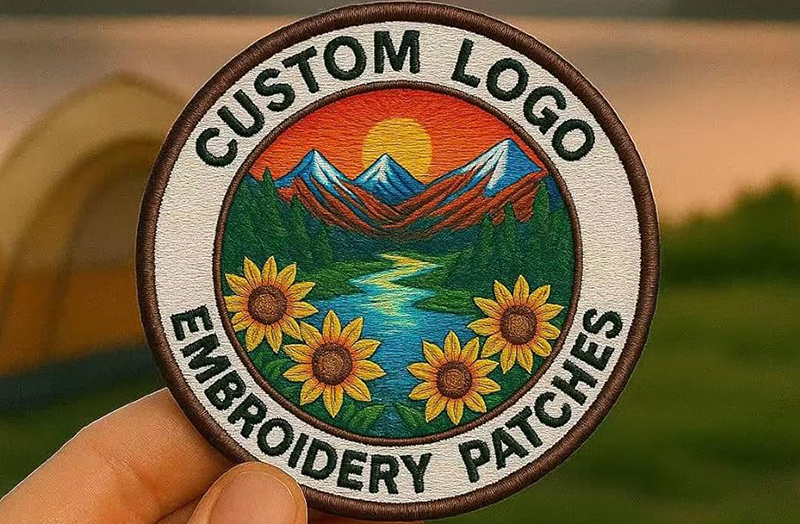
Embroidered Patches
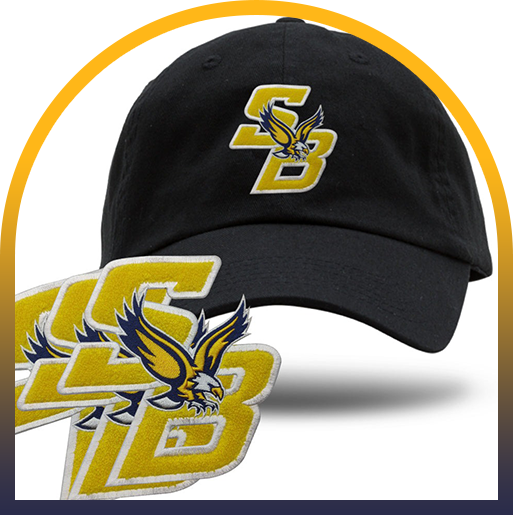
Embroidered patches use raised thread over a twill base, which gives your logo a bold, textured finish visible across a room. They suit polos, work shirts, and uniforms where a classic, professional look matters most. For best results, we keep lettering large and simplify tiny details, so every word stays sharp after years of washes.
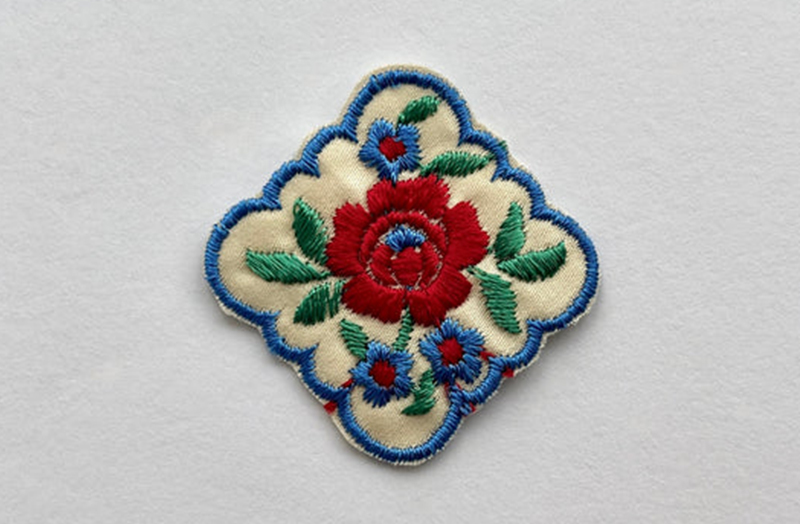
Appliqué Patches
Appliqué patches stitch a separate fabric layer onto the base, which creates depth without a heavy thread count. This method keeps large designs light and flexible, so they sit comfortably on the back of a shirt. They also cost less than full embroidery at big sizes, which makes them a smart pick for team shirts.
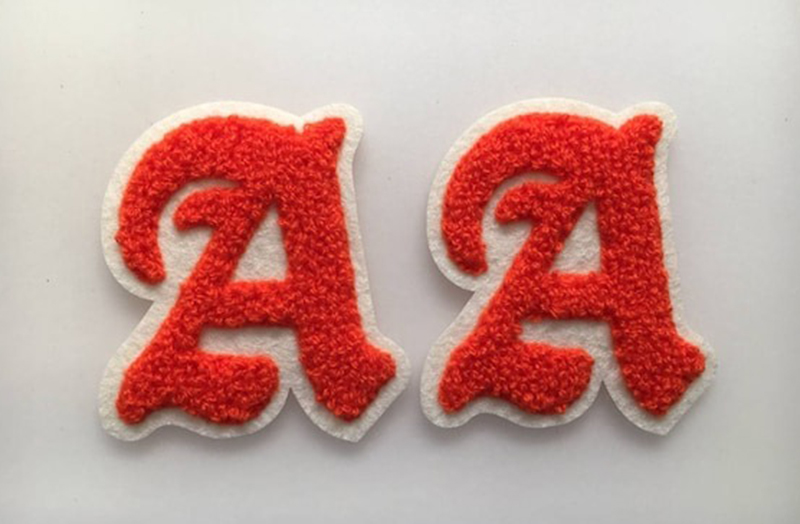
Chenille Patches
Chenille patches use looped yarn that feels soft and stands high off the fabric, like the letters on varsity jackets. On shirts, they work best as bold initials, numbers, or simple mascots on heavier flannel or denim. Since fine detail does not show in chenille, we often pair it with an embroidered border for definition.
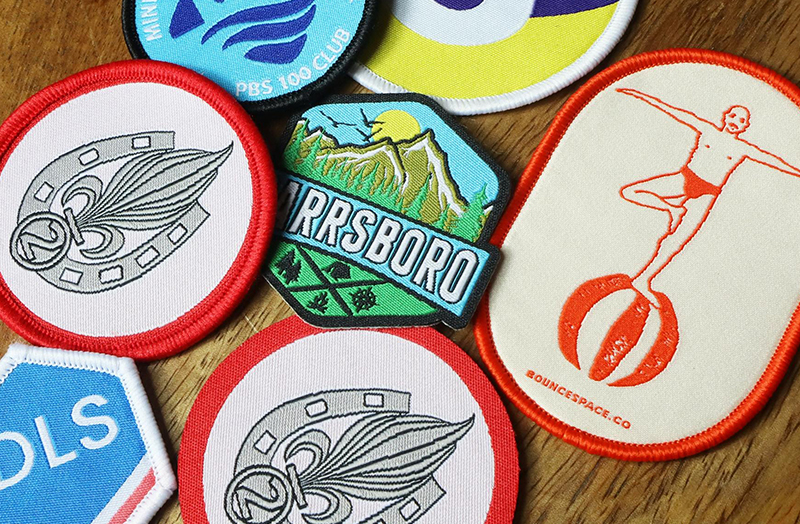
Woven Patches
Woven patches use thinner threads packed tightly together, so they capture small text and fine lines that embroidery cannot hold. Their flat, smooth surface sits light on T-shirts and polos without any stiffness. If your logo includes a slogan, a website address, or tiny icons, a woven patch will keep each element crisp and readable.
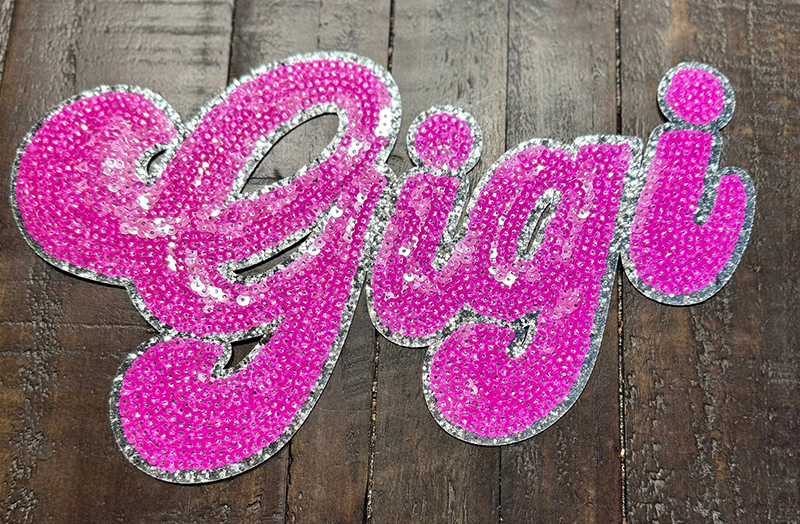
Sequin Patches
Sequin patches use small reflective discs that catch the light as you move, which gives fashion shirts and event tops visual pull. They work well for boutique brands, dance teams, bachelorette groups, and birthday shirts. Because sequins add weight, we recommend them on medium or heavy fabrics and suggest a sew-on backing for lasting hold.
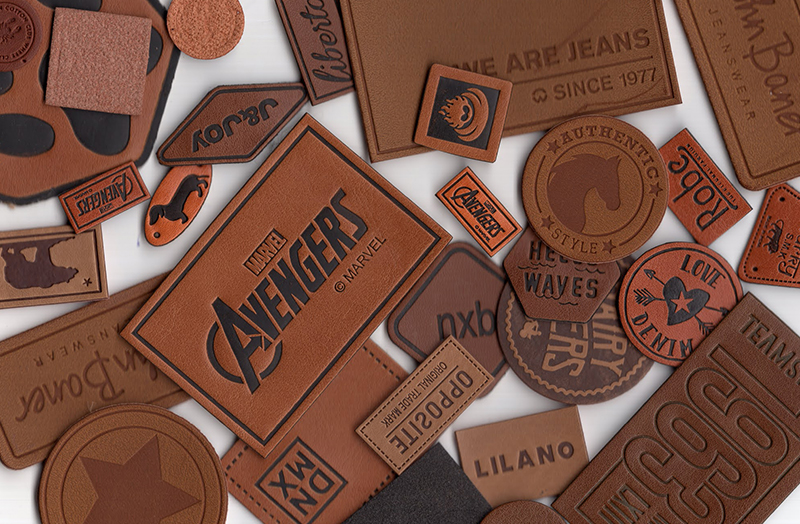
Leather Patches
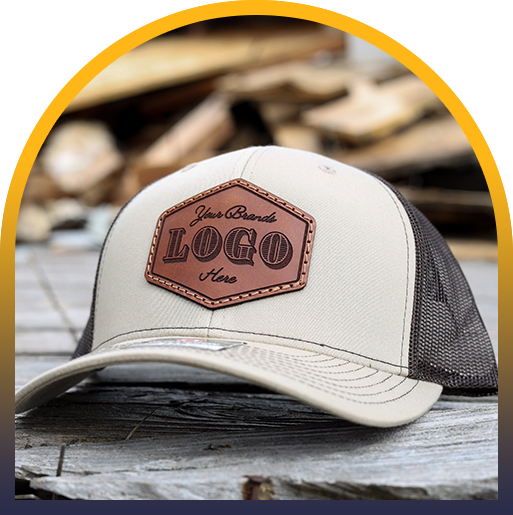
Leather patches come in genuine or faux leather, and we can emboss, deboss, or laser-engrave your logo onto the surface. They give denim shirts, work shirts, and heavy flannels a rugged, upscale character that thread cannot copy. For apparel brands that want a premium label on the chest or hem, leather remains a strong choice.
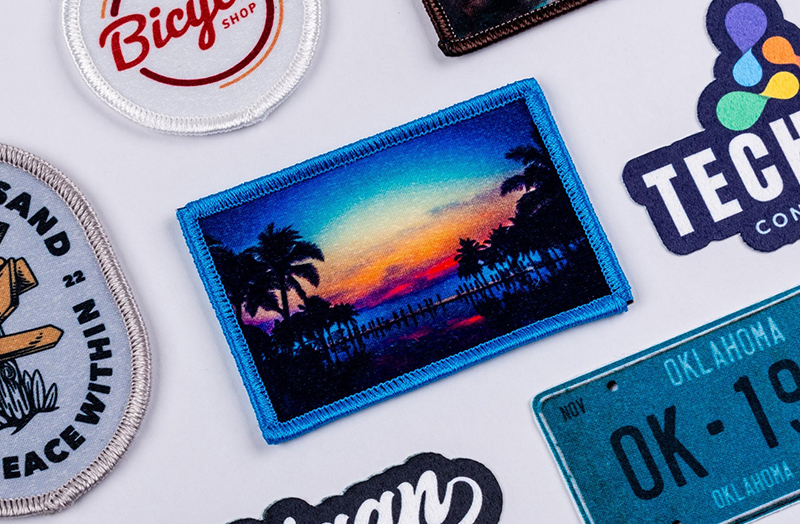
Sublimated Patches
Sublimated patches print your artwork directly onto a smooth polyester base, so they reproduce gradients, shadows, and photographs with full accuracy. Unlike embroidery, they have no thread color limit, which suits colorful logos and detailed illustrations. They also stay thin and light, so they feel comfortable on everyday T-shirts and athletic shirts during long wear.
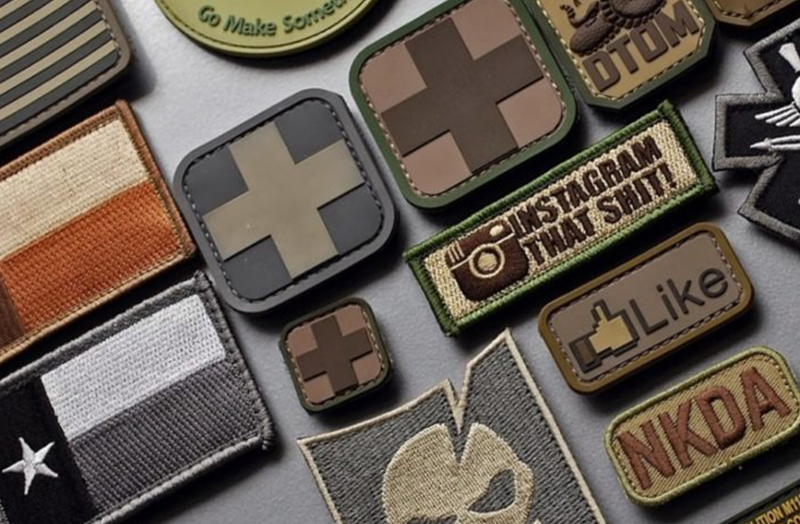
PVC Patches
PVC patches use a soft, rubber-like material that resists water, sun, and stains far better than standard fabric patches. That durability makes them ideal for outdoor work shirts, tactical shirts, and marine crew uniforms. Pair them with Velcro backing, and your staff can remove patches before washing or move them between shirts whenever roles change.
Backing Options That Keep Your Shirt Patches Secure
For long-term wear, many clients iron the patch first and then add a few stitches around the edge for extra security. Velcro backing lets your team swap name tags, rank marks, or event patches on tactical and service shirts in a few seconds. Share the fabric, wash routine, and daily use of your shirts with us, and we will suggest the backing that suits them best.
Custom Shirt Patch Designs for Businesses, Teams, Events, and Gifts
Restaurants, auto shops, and cleaning companies prefer this approach because they can buy shirts in bulk and attach patches as new staff join. Brands, on the other hand, sell patched T-shirts as retail merchandise, where a woven or leather label on the chest adds perceived value and supports a higher price.
For trade shows and product launches, promotional apparel with a bold patch keeps your name visible long after the event ends, and guests often wear these shirts for years. Sports teams and schools choose embroidered or chenille patches for numbers, crests, and mascots, while clubs and nonprofits use them to mark membership and milestones such as anniversaries and volunteer hours.
Families and friends also order personalized shirt patches for reunions, birthdays, and group trips. If you want decorative shirt patches for jackets, hats, or bags as well, our custom patches for clothing cover every garment you plan to brand.
Why Professional Digitizing Matters Before We Stitch a Single Shirt Patch
In addition, poor density settings make a patch stiff and heavy, which pulls on lightweight shirts and causes puckers around the edges. Professional digitizing solves these problems at the source.
Our digitizers choose the right stitch type for each area, such as satin stitches for borders and text or fill stitches for larger shapes. They also add underlay stitches that stabilize the base, and they apply pull compensation, so shapes do not shrink or distort once the thread tightens. Density must change with size, so a small sleeve patch needs lighter settings.
Since digitizing is our core service, we build every file by hand rather than rely on automatic tools. Consequently, your shirt patches come out with clean outlines, even color fills, and lettering you can read from a distance. That precision also saves you money, because a correct file prevents rejected batches, thread breaks, and costly reprints later.
Why US Brands Trust Us With Shirt Patches
Send Your Artwork and Get a Free Quote
Share your logo, shirt type, and quantity, and our team will send you a clear price and the right patch recommendation.
Frequently Asked Questions
Should I choose iron-on or sew-on patches for work shirts?
Sew-on patches suit work shirts best, because heavy industrial washes and high dryer heat can weaken iron-on adhesive. Iron-on patches, on the other hand, work well for promotional T-shirts that see gentler care. Many businesses combine both methods for strength and quick application.
Will I see a proof before you produce my patches?
Yes, you will receive a sample preview that shows your patch size, colors, border, and backing before full production starts. If anything looks off, you can request changes, and we offer unlimited free revisions. We only begin production once you approve the final design.
What file format should I send for my patch design?
Vector files such as AI, EPS, SVG, or PDF give the best results, since they keep lines sharp at any size. However, we also accept high-resolution PNG and JPG files, and phone photos of sketches. Our team will redraw the artwork where needed.
Is there a minimum order for custom shirt patches?
We accept small and large orders so that you can order a few patches for a family event or thousands for company uniforms. The price per patch drops as quantity rises. Share your quantity and design, and we will send a quote with clear pricing.
What size should a shirt patch be?
Most left-chest patches measure between 3 and 3.5 inches wide, while sleeve patches usually fall between 2 and 3 inches. Back patches can reach 10 inches. If you feel unsure, tell us the placement, and we will recommend a size that fits your design.
Can I customize patches for shirts with my own logo?
Yes, you can customize patches for shirts with any logo, artwork, text, or sketch you own. Send us your file, and we will digitize it, match your colors, and adjust the size for your shirt. You then approve a preview before production begins.
Do iron-on patches stay on shirts after washing?
Yes, iron-on patches stay on through many washes when you apply them with enough heat and pressure. Wait at least 24 hours before the first wash, turn the shirt inside out, and use cold water. For work shirts, a few edge stitches add extra security.
What type of patch works best on t-shirts?
Woven and sublimated patches work best on t-shirts because they stay thin, light, and flexible. Thick embroidered patches can feel stiff on lightweight cotton and may cause puckering. For heavier tees, however, a small embroidered patch with a merrow border looks sharp and lasts well.
Our Mission
Quality Care Digitizing exists to deliver dependable embroidery digitizing nationwide, at prices that stay affordable no matter the order size, so quality stitching never comes at a premium.
Any Questions?
Still have questions about embroidery digitizing?