ByadminBlogsComments Off on AI vs. Manual Digitizing – A Comparative Analysis
Embroidery digitizing has seen a technological revolution over the past few years. What was once a purely manual task carried out by skilled professionals is now being influenced by artificial intelligence (AI) and automation. While AI-powered digitizing tools promise speed and efficiency, traditional manual digitizing continues to offer craftsmanship and control. So, which one is better?
In this article, we’ll explore both AI and manual digitizing methods in detail. We’ll break down their advantages, disadvantages, real-world applications, and their role in the future of embroidery. This guide will help you decide the right approach for your next project, whether you’re a hobbyist, a business owner, or a production manager.
What Is Embroidery Digitizing?
Embroidery digitizing is the process of converting artwork or a logo into a stitch file that embroidery machines can read. This process involves assigning stitch types, directions, density, underlays, and more to ensure the embroidery comes out clean and professional.
Quality Care Digitizing has helped thousands of businesses digitize artwork with precision, whether for caps, uniforms, jackets, or marketing giveaways.
The Rise of AI in Embroidery Digitizing
Artificial Intelligence has entered the embroidery industry through smart software that automates much of the digitizing process. With just a few clicks, some programs can generate stitch paths, assign underlays, and convert images into embroidery-ready files.
While this seems like a dream come true for beginners, it comes with trade-offs. AI lacks the judgment and creative decision-making that a trained digitizer brings to the table.
To compare today’s top tools in both AI and manual categories, check out our embroidery software showdown article where we break down features, ease of use, and output quality.
Manual Digitizing: An Artisan's Touch
Manual digitizing, on the other hand, is the gold standard in the industry. Skilled digitizers interpret artwork and create custom stitch paths by hand. They consider the fabric type, design size, stitch flow, and even machine limitations.
At Quality Care Digitizing, our team uses manual digitizing to ensure optimal results. This means fewer thread breaks, more consistent designs, and a professional finish every time.
Manual digitizing gives full control over:
Stitch angles
Color blending
Texture and dimension
Custom effects (like 3D puff)
This level of detail is essential for high-stakes projects like branded uniforms or event merchandise.
Speed and Efficiency: AI Takes the Lead
Where AI shines is in speed. AI tools can convert basic artwork into a stitch file in seconds. This can be helpful for bulk, low-priority jobs where perfection isn’t required.
But speed can come at a cost. AI doesn’t evaluate stitch logic the way a human does. That’s why designs created by AI often require heavy edits or perform poorly in real-world embroidery.
Want to know how to prepare your file for either method? Our guide on how to prepare your artwork for embroidery covers essential tips to avoid errors during digitization.
Quality Control: Manual Wins Hands Down
Ask any embroiderer who’s run AI-generated files on a machine, and they’ll likely have stories of thread breaks, distorted designs, or poor density management.
Manual digitizing allows the expert to:
Adjust for push and pull compensation
Choose appropriate underlays
Set stitch direction to match the garment's grain
Optimize for specific machine formats
All of these elements matter when stitching designs on difficult materials like hats or stretchy fabrics. That’s why we always advocate for expert input.
Still wondering whether it’s worth paying a professional? Explore our full breakdown on DIY vs. professional digitizing to make an informed choice.
Customization and Complex Art
AI tools struggle with intricate artwork—especially when the design includes gradients, small text, or multiple layers. These require judgment and technique.
Manual digitizers break down the design, resize elements, choose stitch types, and recreate effects like shadows or highlights using only thread direction and density.
This level of customization is what separates a generic logo from a premium embroidered design. At Quality Care Digitizing, we also offer vector conversion services for clients who need sharp, scalable designs across different formats—an essential for both print and embroidery projects.
Real Stories from Real Customers
We’ve seen countless examples where AI-created designs were rejected by customers or failed on machines—resulting in lost time and money. Manual rework saved the day.
Visit our customer stories page to see how our hands-on approach has helped businesses create stunning embroidery that makes their brand shine.
Learning Curve and Accessibility
AI-based digitizing tools are appealing to beginners. They’re simple, fast, and often built into embroidery machines. But simplicity is deceptive—these tools often produce poor-quality files that require manual correction anyway.
On the other hand, learning manual digitizing takes time and training. But it pays off with better results and deeper control over the outcome.
To ease the process, we've answered many common questions in our helpful embroidery digitizing FAQ, which is great for both new embroiderers and seasoned business owners.
AI for Repetitive or Low-Risk Tasks
That’s not to say AI has no place in embroidery. For simple monograms, quick patches, or low-risk jobs, AI can be a useful shortcut. Especially when speed is more important than artistry.
Some shops use AI tools to draft a design and then manually refine it. This hybrid approach can speed up workflows while preserving quality.
But it still requires someone with experience to check and fix the final file. That’s why even shops with AI capabilities still rely on professional digitizers for important work.
Embroidery in the Bigger Picture
Digitizing is not just about the machine—it’s about culture, branding, and visual storytelling. From music tours to fashion icons, embroidery plays a huge role in how we express identity.
Want to see how embroidery has made its mark beyond the embroidery hoop? Check out our article on embroidery in pop culture to discover its impact in films, fashion, and global trends.
So, Which One Is Right for You?
If you're working on:
High-volume, low-detail orders
Simple shapes and text
Tight deadlines with budget constraints
AI may do the job—just be sure to test the output thoroughly.
But if you’re:
Creating brand logos
Working on complex or artistic pieces
Using tough materials (caps, leather, knits)
Looking for a clean, long-lasting result
Manual digitizing is the clear winner. It offers control, quality, and peace of mind.
Final Thoughts: Balancing Innovation with Expertise
The future of embroidery will likely blend both approaches. AI will continue to improve, offering faster tools and smarter recommendations. But skilled digitizers will always be in demand for their ability to handle nuance and creative vision.
At Quality Care Digitizing, we embrace technology without compromising on craft. We believe that the best embroidery starts with expert digitizing—whether the tools are manual, AI-powered, or both.
When you choose us, you’re not just getting a stitch file. You’re getting a thoughtfully crafted embroidery experience designed to elevate your brand and bring your vision to life.
Whether you’re starting a business or expanding your production, we’re here to help you make the right choice.
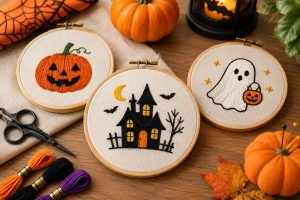
Halloween embroidery patterns let you create seasonal decorations, personalized gifts, clothing details, and small handmade keepsakes with basic needlework skills. You can choose cute ghosts, black cats, pumpkins, bats, witch hats, cobwebs, or detailed haunted houses, then adapt the colors and stitches to your project. For beginners, simple outlines and...
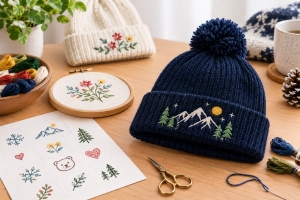
An embroidered beanie adds a personal touch to your winter wardrobe with custom flowers, initials, leaves, or geometric designs. You can embroider a knit beanie by hand with embroidery floss, a needle, and a suitable stabilizer, or use an embroidery machine for more detailed designs. The key is to control...
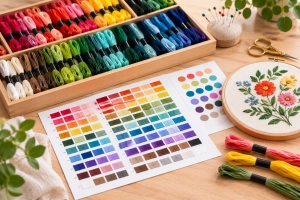
Embroidery thread colors affect design visibility, brand consistency, texture, and the appearance of finished stitches. The right shades help you reproduce logos accurately, create realistic artwork, and coordinate embroidery with fabric. An embroidery thread colors chart helps you identify shades by number, name, and color family, while conversion charts help...
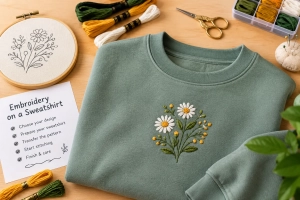
Learning how to embroider on a sweatshirt requires a suitable design, the right stabilizer, and careful fabric control. Sweatshirt fleece is thicker and stretchier than woven cotton, so preparation matters. With a home embroidery machine or hand needle, you can create a custom motif, name, border, or sleeve detail. Quality...
Bulk Christmas gift orders come with tight deadlines. Speed and accuracy matter more than ever during the holiday season. Vector artwork helps businesses complete large orders faster without sacrificing quality. Clean Artwork Reduces Preparation Time Vector files arrive clean and organized. They do not require heavy cleanup or redraws. This...
Christmas gifts need to look clean, polished, and professional. Vector files play a major role in achieving that quality. Without proper vectors, even the best gift idea can lose its premium feel. Clean Designs Start with Vector Artwork Vector files use smooth paths instead of pixels. This keeps artwork sharp...
Last-minute Christmas gifts still need to look thoughtful and premium. Digitizing makes fast customization possible without sacrificing quality. When time is short, embroidery digitizing delivers reliable and professional results. Why Digitizing Is Ideal for Urgent Christmas Orders Digitized embroidery runs quickly once files are ready. There is no drying time...
Christmas gifts should feel special the moment someone sees them. Digitized embroidery adds that premium touch through clean stitching and rich detail. Unlike basic decoration, professional digitized embroidery transforms simple items into high-end holiday gifts. Premium Gifts Start with Professional Digitizing Embroidery quality depends on how well a design is...
Are you searching for professionally digitized Christmas embroidery patterns ready for immediate use? There's no need to waste time with poor-quality designs or DIY digitizing struggles! A comprehensive pattern library with professionally prepared files saves time and ensures consistent quality. This guide will show you what makes a premium pattern...