
Choosing the Perfect Canvas: Exploring the Best Fabrics for Digital Embroidery
11

Nov

Choosing the Perfect Canvas: Exploring the Best Fabrics for Digital Embroidery

Selecting the right fabric is crucial when it comes to digital embroidery, as different materials can greatly impact the final result. The choice of fabric influences the appearance, durability, and overall quality of the embroidered design. Here are some popular fabrics that work well for digital embroidery:

  1. Cotton:
    • Advantages: Cotton is a versatile and widely used fabric for digital embroidery. It has a smooth surface that allows for precise stitching and vibrant color representation. Cotton is breathable and comfortable, making it suitable for a variety of applications, including apparel and home decor.
    • Considerations: It's essential to choose a high-quality cotton fabric to avoid issues like shrinkage or distortion during the embroidery process.
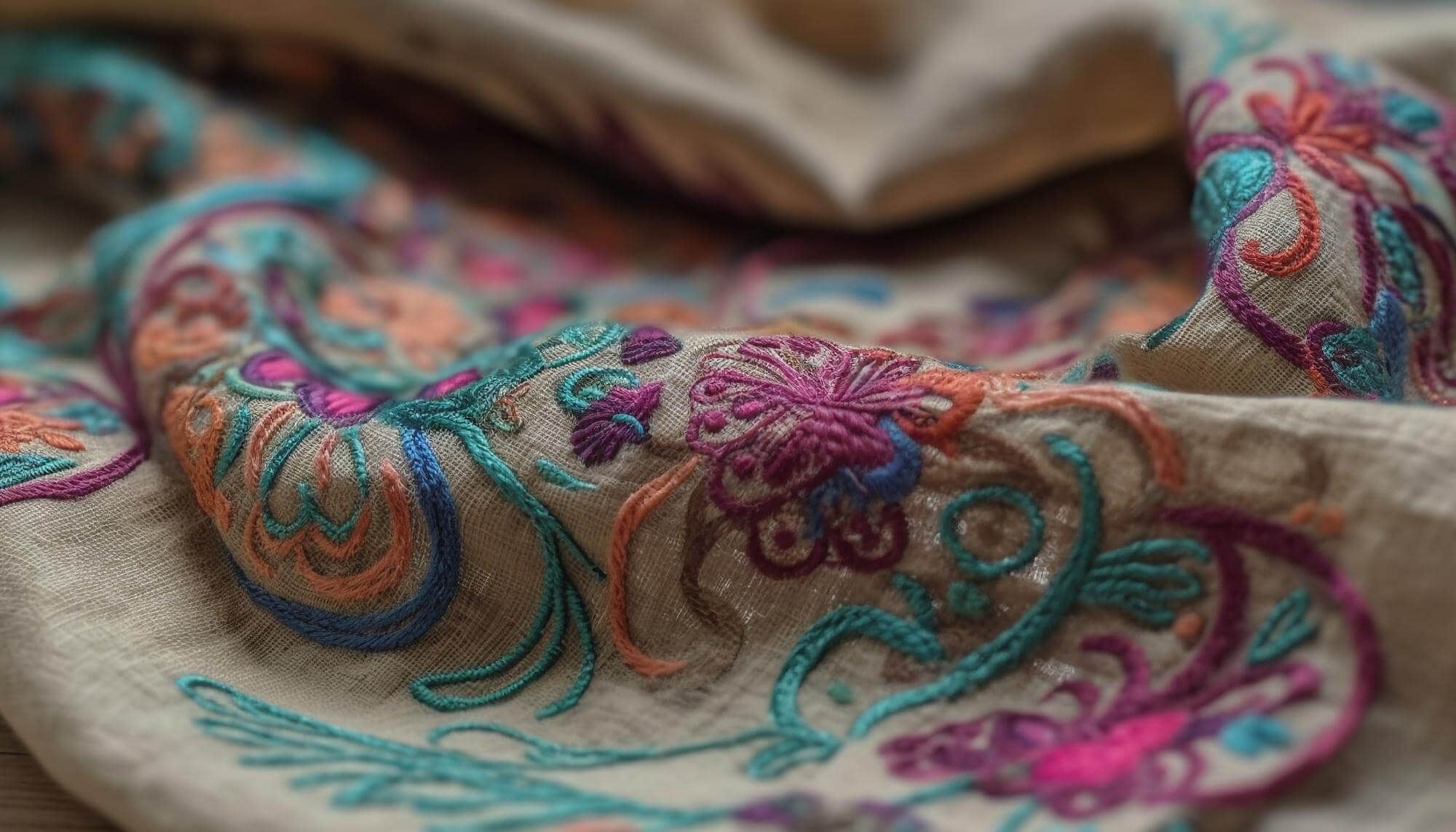
  2. Linen:
    • Advantages: Linen is a durable and natural fabric that adds a touch of elegance to embroidered designs. It has a textured surface that can enhance the visual appeal of the embroidery. Linen is often chosen for decorative items, such as tablecloths and napkins.
    • Considerations: Linen can be prone to wrinkles, and it may require careful handling to prevent distortion during embroidery.
  3. Polyester:
    • Advantages: Polyester is a synthetic fabric known for its durability and resistance to wrinkles and fading. It provides a smooth surface for embroidery and is often chosen for items that require a more resilient material, such as sportswear or outdoor fabrics.
    • Considerations: While polyester is durable, it may lack the breathability of natural fibers like cotton. Some people may find it less comfortable for certain applications.
  4. Canvas:
    • Advantages: Canvas is a sturdy, heavyweight fabric that works well for larger and more robust embroidery projects. It's commonly used for items like tote bags, backpacks, and home decor items. The texture of canvas can add depth to the embroidered design.
    • Considerations: Due to its weight, canvas may not be the best choice for lightweight garments. Additionally, the thickness of the fabric may require adjustments to the embroidery machine settings.
  5. Denim:
    • Advantages: Denim is a durable and versatile fabric that can add a casual and trendy feel to embroidered designs. It's commonly used for jackets, jeans, and other casual apparel items. Denim's thickness and texture provide a unique canvas for embroidery.
    • Considerations: Like canvas, denim is a heavier fabric that may require machine adjustments. It's important to use appropriate needles and threads to ensure smooth embroidery on denim.
  6. Silk:
    • Advantages: Silk is a luxurious and smooth fabric that can add elegance to embroidered designs. It's often chosen for more delicate and high-end applications, such as eveningwear and lingerie.
    • Considerations: Silk requires careful handling, and the choice of stabilizers and embroidery techniques may need to be adjusted to accommodate the delicate nature of the fabric.
  7. Fleece:
    • Advantages: Fleece is a soft and warm fabric commonly used for blankets, jackets, and activewear. It provides a cozy canvas for embroidery and is often chosen for personalized gifts.
    • Considerations: Fleece can have some stretch, so it's important to use appropriate stabilizers to prevent distortion during embroidery.

When choosing a fabric for digital embroidery, it's essential to consider the intended use of the finished product, the complexity of the design, and the characteristics of the fabric itself. Testing embroidery on a small sample of the chosen fabric before starting a larger project can help ensure a successful outcome.

Share this post

Leave a Reply

Your email address will not be published. Required fields are marked *


RELATED

Posts

3 Jan

How Vector Artwork Speeds Up Bulk Christmas Gift Orders

Bulk Christmas gift orders come with tight deadlines.Speed and accuracy matter more than ever during the holiday season.Vector artwork helps businesses complete large orders faster without sacrificing quality.Clean Artwork Reduces Preparation TimeVector files arrive clean and organized.They do not require heavy cleanup or redraws.This allows digitizers to start work immediately...

read more
3 Jan

Why Vector Files Are Essential for High-Quality Christmas Gifts

Christmas gifts need to look clean, polished, and professional.Vector files play a major role in achieving that quality.Without proper vectors, even the best gift idea can lose its premium feel.Clean Designs Start with Vector ArtworkVector files use smooth paths instead of pixels.This keeps artwork sharp and clear at any size.Christmas...

read more
30 Dec

Last-Minute Christmas Gifts That Work Best with Digitizing

Last-minute Christmas gifts still need to look thoughtful and premium.Digitizing makes fast customization possible without sacrificing quality.When time is short, embroidery digitizing delivers reliable and professional results.Why Digitizing Is Ideal for Urgent Christmas OrdersDigitized embroidery runs quickly once files are ready.There is no drying time or complex setup.Professional digitizing services...

read more
25 Dec

Why Digitized Embroidery Makes Christmas Gifts Look Premium

Christmas gifts should feel special the moment someone sees them.Digitized embroidery adds that premium touch through clean stitching and rich detail.Unlike basic decoration, professional digitized embroidery transforms simple items into high-end holiday gifts.Premium Gifts Start with Professional DigitizingEmbroidery quality depends on how well a design is digitized.Poor digitizing leads to...

read more
23 Nov

Premium Christmas Hoodie Embroidery: Design Guidelines for Professional Results

Are you creating premium Christmas hoodie embroidery this holiday season? There's no need to settle for amateur-looking results! Professional design guidelines transform ordinary hoodies into high-quality products customers love and recommend. This guide will teach you essential design principles for premium hoodie embroidery based on technical standards, aesthetic excellence, and...

read more
30 Oct

SVG to Inkstitch Conversion Explained: Best Practices for Embroidery

The art of digital embroidery is fascinating, and knowing how to convert SVG files to Inkstitch can elevate your designs. No matter your experience level, this guide from QualityCare will walk you through the process. Using Inkscape and Inkstitch, you’ll optimize your designs for embroidery machines and achieve professional results.SVG:...

read more
26 Oct

Embroidery vs Cross Stitch Key Differences & Best Technique for You

For centuries, embroidery and cross stitch have been popular forms of needlework. Although they share some similarities, each technique has unique characteristics, making them suitable for different types of projects. Understanding these differences helps both beginners and experienced crafters choose the best method for their workEmbroidery: what is it?Embroidery refers...

read more