
Custom Screen Printing Services That Fit Every Apparel Need You Have
Upload Your Artwork
What Can You Print With Our Custom Screen Printing Services?
Businesses choose custom shirt printing for uniforms and giveaways, since a printed logo stays sharp through repeated washes. Tote bags and aprons work as well. Once you pick the garment, your artwork comes next.
A logo, a slogan, or a full illustration can work, but the design decides your setup. Each color needs its own screen, so a one-color logo prints quickly and costs less per piece. A five-color design needs five screens and more setup time, which adds to the price of a small order. Fine lines and small text call for a finer screen mesh count, so we check your artwork before production. Share your garment, design, and quantity, and we will recommend the setup that fits your budget and deadline.
Why Choose Professional Screen Printing for Your Custom Apparel Orders?
Consistent Color on Every Piece
Screen printing applies the same ink through the same screen on every garment, so your hundredth shirt matches your first. This consistency matters when you outfit a team, stock a retail shelf, or reorder next season. Your brand colors stay accurate across sizes, styles, and production batches, with no visible drift between pieces or reorders.
Durable Prints That Survive Washes
Heat curing fuses ink into the fabric fibers, so the print resists cracking, peeling, and fading through repeated washes. A screen-printed shirt holds its color for years of regular daily use when the ink suits the fabric. That durability protects your investment in uniforms, merchandise, and giveaways that people wear often and wash frequently.
Lower Cost Per Piece
Screen printing charges a setup fee per color, then prices each additional shirt lower. The larger your run, the less each piece costs, so bulk orders benefit most. Teams, schools, and local businesses that order in volume save the most, because one set of screens produces hundreds of identical prints at a steady, reliable pace.
Sharp Detail From Vector Artwork
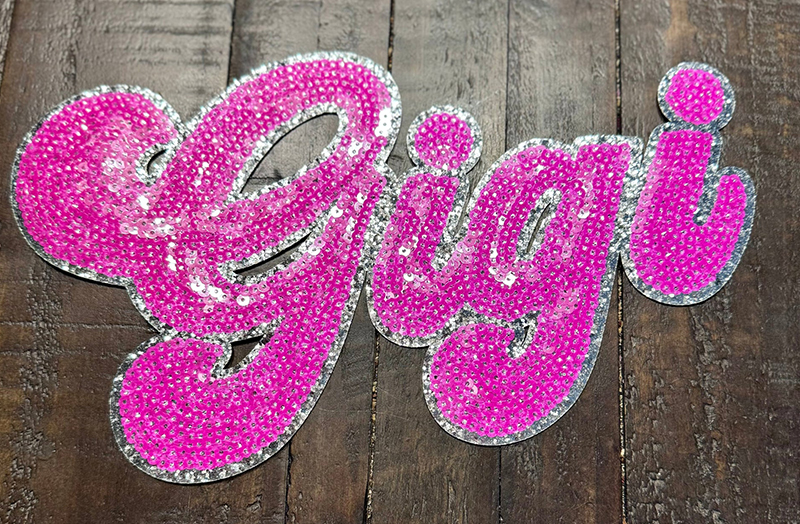
Professional printers start with your vector artwork, which keeps lines crisp whether your logo measures two inches or twenty. We expose each screen from that clean file and match the mesh count to your level of detail. The result is a print with clean edges, readable small text, and no blur, even on detailed artwork.
Accurate Brand Color Matching
Your brand colors must look the same on a tee, a hoodie, and a hat. Screen printing mixes ink to a specified Pantone color, so you control the shade instead of accepting a close guess. Share your brand guide or Pantone codes, and we match each shade as closely as the garment and ink allow.
The Right Ink for Your Fabric
Different fabrics need different inks, and fiber content decides which one works. Plastisol prints opaque color on most garments and colors; water-based ink gives cotton a softer feel, and special additives help ink bond with slick synthetics. A professional printer matches the ink to your garment, which protects print softness, color strength, and wash life.
Works on Many Garment Types
Your apparel line rarely stops at one garment. Screen printing handles tees, custom hoodies, custom hats, team shirts, event shirts, canvas tote bags, and aprons with the same proven process. You can keep one design consistent across your whole range, which makes your merchandise look like a planned collection, not a mix of unrelated items
Specialty Finishes That Stand Out
Specialty inks give your design texture and shine that other methods struggle to match. Puff ink raises the print off the fabric, metallic ink catches light, and discharge ink leaves a soft, lightweight feel on dark cotton. Add one to a logo or key detail when you want your apparel to look distinctive and memorable.
Screen Printing Options: Colors, Inks, and Print Finishes
Which Fabrics and Apparel Work Best for Custom Screen Printing?
For performance wear, 100% polyester needs low-bleed ink and a careful cure, because dye in the fabric can migrate into a light print. Nylon jackets and water-resistant coatings need ink additives that bond with slick surfaces. Tri-blends give you a vintage, soft feel, but their texture calls for a finer mesh.
Heavy fleece suits hoodies and crewnecks, and it holds bold prints without distortion when the ink is cured correctly. Hats, totes, and aprons print well when the surface is flat enough for the screen to seat properly.
Garment color matters as much as fiber. Dark apparel needs a white underbase to keep your colors bright, while light apparel lets your colors print directly. We read your fabric label first, because fiber content picks the ink. Send us your blank garment or tell us the style you prefer, and we will confirm the best ink and screen setup before we print a single piece.
Screen Printing vs. Embroidery: Which Is Right for Your Custom Design?
Cost follows the same split. Screen printing charges a setup fee per color, then gets cheaper per piece as your quantity grows. Embroidery prices are based on stitch count, so a dense design costs more than a simple one regardless of color count. Quantity matters too, because embroidery suits small runs while screen printing rewards large ones.
Durability also differs. An embroidered logo survives frequent washes and rough use, which suits polos, caps, and workwear. A screen-printed shirt feels lighter and flatter, which suits tees, event shirts, and large chest or back graphics.
In any embroidery vs. screen printing comparison, fabric also counts. Thin, stretchy knits can pucker under stitches, while heavy canvas and fleece can resist ink. When your design needs both, combine them: print the main artwork and stitch the logo. Our team digitizes your file for stitching and prepares separate artwork for printing, so each method gets the setup it needs.
Why Choose Quality Care Digitizing for Your Apparel
Ready to Order Your Custom Screen-Printed Apparel?
Send your artwork, quantity, and deadline today, and our team will return a clear quote with ink, color, and placement recommendations.
Frequently Asked Questions
Do you offer both screen printing and embroidery services?
Yes. We handle screen printing and embroidery, so you can choose one method or combine both on the same garment. Our digitizing team prepares your stitch file, and our print team prepares your screens, which keeps your logo consistent everywhere.
What file format do I need for screen printing?
Send vector artwork in AI, EPS, SVG, or PDF format whenever you can. Vector files keep edges sharp at any size and separate colors cleanly for screen exposure. If you only have a low-resolution image, our team can rebuild it as vector artwork.
How long does a screen-printed shirt last?
A well-cured screen-printed shirt lasts for years. Wash it inside out in cold water, avoid high-heat dryers, and do not iron directly over the print. A proper cure and the right ink for the fabric matter more than any single wash habit.
What is the difference between plastisol and water-based ink?
Plastisol ink sits on top of the fabric, prints opaque colors on almost any garment, and feels slightly thicker. Water-based ink soaks into cotton and feels softer, but it works best on light cotton garments. We recommend one after we check your fabric.
Is screen printing better than embroidery?
Neither method wins every time. Screen printing suits large graphics, larger quantities, and lower per-piece costs, while embroidery suits small logos, polos, caps, and workwear that needs a raised look. Your design size, fabric, and quantity decide which one fits best.
What is the minimum order for custom screen printing?
Screen printing usually starts at 12 to 24 pieces per design, because each color needs its own screen and setup time. Smaller orders cost more per piece. Tell us your quantity, and we will confirm the minimum and suggest the best method.
How much does screen printing cost?
Cost depends on quantity, color count, garment, and print locations. Screen printing usually adds a setup fee of about $15 to $50 per color, and the per-shirt price drops as your order grows. Send your details, and we will quote your exact total.
What is custom screen printing?
Custom screen printing pushes ink through a stencil-coated mesh screen onto a garment, one color per screen. Heat then cures the ink so it bonds with the fabric. The method produces bold, durable prints and works best for repeat designs in larger quantities.
Our Mission
Quality Care Digitizing exists to deliver dependable embroidery digitizing nationwide, at prices that stay affordable no matter the order size, so quality stitching never comes at a premium.
Any Questions?
Still have questions about embroidery digitizing?