High-Quality Digitizing Services for Custom Designs and Complex Logo Artwork

Every design carries its own personality, and your embroidery file should carry it too. At Quality Care Digitizing, we study your artwork before we touch a single stitch point, whether you send a vector file, a raster image, or a rough sketch you want turned into something wearable. Our digitizing services take logos, mascots, text, and detailed graphics and rebuild them stitch by stitch so the final design keeps its shape, proportion, and color balance on fabric. We work with JPG, PNG, PDF, AI, EPS, and CDR files, so you never have to convert your artwork before sending it over. Custom digitizing here isn’t a one-size-fits-all process; each file gets punched according to the fabric it will run on, the machine that will stitch it, and the density needed for a clean finish. The result is a production-ready file that runs smoothly, without gaps, puckering, or thread breaks slowing down your order.

Send Quick Quote


Logo-Digitizing

What Are Digitizing Services and Why Do They Matter?

Digitizing is the process of turning a piece of digital artwork into a stitch file an embroidery machine can actually read and sew. A regular image file has no stitch direction, density, or sequence built into it, so a digitizer maps out every stitch by hand, deciding where the needle enters, how the thread lays, and how each element connects. Without this step, your logo or design simply can’t be embroidered.

How Our Digitizing Process Works

1

Upload Artwork

Send your logo or design in any common file format; no conversion needed.
2

File Review

Our team checks resolution, detail, and stitch feasibility before starting.
3

Digitizing Begins

A digitizer builds your stitch file, mapping direction, density, and sequence.
4

Quality Check

Every file runs through a stitch-out test to catch errors early.
5

File Delivery

You receive a production-ready file in your machine’s exact format.
This sequence stays consistent whether you’re ordering one logo or a batch of files for multiple products, which is why clients keep coming back with new designs instead of shopping around each time. Every stage protects the outcome on fabric, not just the file on screen, so a design that looks sharp on your monitor still looks sharp once it’s stitched onto a cap, a jacket, or a patch. Once a design passes review, we don’t just hand it off; we track it through to delivery so nothing gets lost between steps. That kind of structure is what separates a rushed digitizing job from one built to run clean the first time it hits the machine.

Professional Digitizing Services for Flawless Embroidery Results

A design can look perfect on screen and still fall apart on fabric if the underlying file wasn’t built by someone who understands how thread behaves under a needle. Our digitizers plan stitch types, underlay, and pull compensation around the specific fabric and design size you give us, so fine text stays readable, curves stay smooth, and dense areas don’t pucker or shift. 

We test files internally before they reach you, catching thread breaks, registration issues, and density problems that would otherwise show up mid-production. Precision digitizing means paying attention to details most people never notice until they’re missing: consistent thread tension, clean edges on small letters, and stitch paths that don’t leave gaps between color blocks. 

Whether you’re running a single sample or a full production batch, the file you receive has already been through the same scrutiny our own machines would apply, so what you get isn’t a guess. It’s a file built to perform.
Cap-Digitizing
3D-Puff-Digitizing

Benefits You Get From Professional Digitizing Services

Working with a digitizer who knows what they’re doing changes more than just the look of your stitched design. It changes your turnaround time, your reject rate, and how much you spend fixing files after the fact. A properly digitized file runs through your machine without constant stopping, saves thread and backing material, and keeps your finished product looking the same on unit 500 as it did on unit one. That consistency is what clients notice first, even before they notice the quality of the logo itself.

What You Actually Gain

Consistency

Every stitched piece matches the last one exactly.

Fewer Errors

Clean files mean fewer thread breaks and stops.

Faster Runs

Optimized stitch paths noticeably cut machine time.

Lower Costs

Less thread waste and fewer redos over time.

Sharper Detail

Small text and fine lines stay legible.
None of these benefits happen by accident; they come from a file built with your fabric, your machine, and your design’s specific quirks in mind from the start. That’s the difference a real digitizing service makes over a generic auto-digitized file.

Digitizing for Different Fabrics and Applications You Actually Use
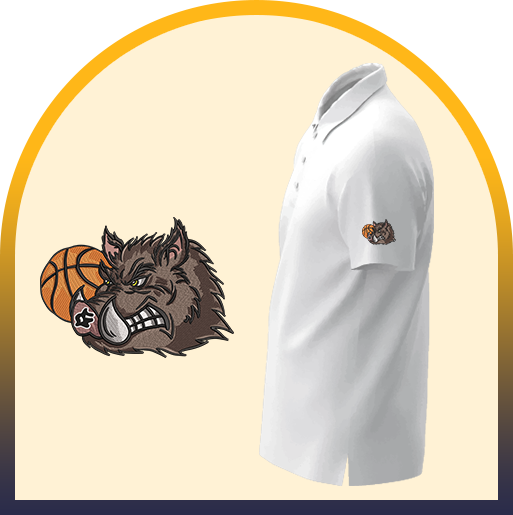
Cotton, denim, fleece, leather, and performance mesh all react differently to a needle, so a stitch file that runs perfectly on one fabric can pucker or shift on another. We adjust density, underlay, and stitch type based on where your design is headed, whether that’s a structured cap, a stretchy athletic jersey, a canvas tote, or a thick jacket back. Applications matter too; a left-chest logo needs a different approach than a full-back design or a patch meant for later attachment. That fabric-first thinking is built into every file we send out.
Redwork-Embroidery

Files Ready for Every Machine You Run
Not every embroidery machine reads the same file format, and sending the wrong one means delays before you’ve even started. We build your stitch file in the exact format your equipment needs, tested and confirmed before delivery, so you can load it and start stitching right away.

DST Files

Standard format for most commercial single-head and multi-head machines.

PES Files

Built for Brother home and small-business embroidery machines.

JEF Files

Formatted specifically for Janome embroidery machine models.

EXP Files

Compatible with Melco and other Bernina-based systems.

VP3 Files

Suited to Husqvarna Viking and Pfaff machine software.
Whatever machine sits on your floor, your file arrives ready to load and stitch immediately.
Sleeves-digitizing

What Actually Goes Into a High-Quality Embroidery File

A good embroidery file is built on decisions most customers never see: stitch type, stitch direction, underlay, density, and pull compensation, all set specifically for your artwork and fabric. 

Stitch direction controls how light reflects off the thread, which is why a poorly directed fill can look flat or patchy even when the color is right. Underlay stabilizes the fabric underneath before the top stitching goes down, preventing shifting on stretchy or unstable materials like knits and fleece. 

Density determines how tightly stitches sit together; too dense and the fabric puckers or the needle breaks thread, too loose and the design looks thin or gappy. Meanwhile, pull compensation accounts for the fact that fabric stretches slightly as it’s stitched, so shapes come out true to size instead of shrinking or distorting once the hoop comes off. 

Trim points and color sequencing matter too, since a poorly sequenced file forces unnecessary stops that slow production and add wear on your machine. Every one of these elements gets set intentionally in our files, not left to a default auto-digitizing setting that ignores your specific fabric and design.

Why Businesses Nationwide Trust Us for Digitizing Services Every Time
We built Quality Care Digitizing around one idea: a file should work the first time it hits your machine, not after two or three rounds of fixes. That focus shows up in our turnaround times, our stitch-out testing process, and the way we handle revisions when something needs adjusting. We don’t treat digitizing as a one-off task passed between different hands; the same team stays involved from the first upload to final delivery, so nothing gets lost, rushed, or misread along the way. That consistency is what keeps clients coming back with their next project instead of looking elsewhere.
Applique-Digitizing

What Sets Quality Care Digitizing Apart
Fast Turnaround

Most files come back within 24 hours, keeping your production schedule on track without long waits for a design your team is ready to run.

Nationwide Digitizing Services

We work with clients across the country, adapting to different machine formats, fabric types, and production volumes without slowing down.

Tested Before Delivery

Every file runs through an internal stitch-out check first, so problems get caught here instead of on your machine.

Real Digitizers, Not Software

Skilled digitizers build each file by hand, reading your artwork instead of running it through a generic auto-digitizing tool.
Jacket-back-digitizing

Custom Digitizing Built Around Your Exact Embroidery Requirements

Every business that comes to us has a different reason for needing a digitized file: a new logo, a growing product line, a client order with a tight deadline, or a design that a previous digitizer never got quite right. 

We don’t push a single template at every job. Instead, we look at your artwork, your fabric, your machine, and your timeline, then build a file around those specifics instead of forcing your design into someone else’s process. That’s what custom digitizing actually means here, not a marketing phrase, but a working method. 

As an embroidery digitizing company, we’ve handled logos for apparel brands, patches for uniform suppliers, cap designs for promotional companies, and detailed artwork for clients who’d already been burned by rushed, low-quality files elsewhere. Each of those jobs needed something slightly different, and each one got it. 

If your next design has specific requirements, whether that’s an unusual fabric, a tight color match, or a machine format your current provider doesn’t support, send it over and let us build the file around what you actually need. You won’t have to explain your setup twice or settle for a file that almost works. Reach out through Quality Care Digitizing and get a file built for your exact job, not a generic one.

The Digitizing Services We Offer

Here’s the full range of digitizing work we handle for clients daily.

Logo Digitizing

We convert your business logo into a clean, production-ready stitch file, keeping small text legible and color separations accurate for consistent results across every unit you run.

3D Puff Digitizing

Raised foam designs need specific stitch settings to keep edges crisp and shapes defined; we build files that account for foam thickness and prevent tearing during production runs.

Applique Digitizing

We create placement and tackdown stitches for fabric-on-fabric designs, giving you clean, secure edges that hold up through repeated washing and everyday wear.

Cap and Hat Digitizing

Curved surfaces need adjusted density and stitch direction; we digitize specifically for hat hoops so your design sits evenly across the curved panel.

Left Chest Digitizing

Small-format designs get scaled and simplified without losing detail, keeping fine lines and text readable even at a compact left-chest size.

Patch Digitizing

We build files sized and structured for standalone embroidered patches, factoring in border stitching and backing material for a durable finished product.

Back Jacket Designing

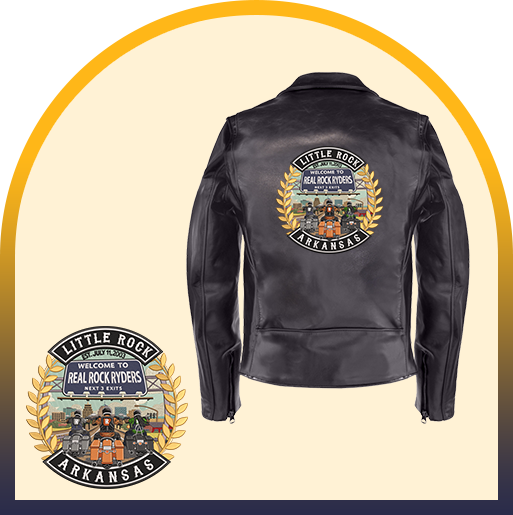
Large-format back designs need adjusted hooping and stitch sequencing; we build files that keep detail sharp and stitching stable across the full jacket panel.

Towel Embroidery Digitizing

Terry cloth needs specific underlay and density settings to stitch cleanly without sinking into the fabric’s loops, keeping your design crisp and visible.

Letter Digitizing

We build clean, evenly spaced stitch files for names, numbers, and text, keeping every letter legible and consistent whether it’s stitched small or large.

Get Your Design Digitized the Right Way

Send your artwork over and get a production-ready embroidery file back, fast.

Frequently Asked Questions

Both methods use heat to move dye into a surface, which is why people link them. D2T2 uses a thermal printhead and dye ribbon, mainly for ID cards and photo prints. Dye-sub printing for apparel uses transfer paper and a heat press on polyester.

Dye-sub ink bonds with polyester fibers, so the print does not crack or peel. With proper care, it often lasts as long as the garment itself. Wash it inside out in cool water and air dry to keep colors bright for years.

Yes. We prepare files for sublimated hoodies, shorts, leggings, warm-up tops, and more. Each garment uses a different pattern, so we set up your artwork on the correct template with accurate bleed, seams, and placement. You receive one clean file for each garment type.

Not directly. Sublimation dye is transparent, and the process uses no white ink, so colors vanish on dark garments. Light polyester gives the truest color. We design artwork around your fabric and tell you early if a dark base will limit the result.

Pure cotton does not hold sublimation dye, so prints look faded or wash out quickly. A polyester blend with at least 65 percent polyester works better, though colors appear softer. For the brightest result, choose 100% polyester. We adjust your artwork for blends.

Send vector files such as AI, EPS, SVG, or PDF whenever you can. For images, PNG at 300 DPI at print size works well. If your logo arrives blurry or small, our artists rebuild it as a clean, scalable vector.

Screen printing lays a layer of ink on top of the fabric, while sublimation turns dye into gas that enters polyester fibers. You get edge-to-edge, full-color designs without a raised feel, and breathable fabric stays breathable. Screen printing suits cotton better.

Yes. We prepare custom sublimated jerseys for sports teams, including panel layouts, team colors, logos, player names, and numbers. Send your roster and any printer template, and we match every element to the garment so the whole team looks consistent.

One hundred percent polyester gives the brightest color and the longest-lasting print. Performance mesh and polyester jersey work especially well for athletic wear. Blends with at least 65 percent polyester also work, but the colors look slightly muted. Light colors print truest.

Our Mission

Quality Care Digitizing exists to deliver dependable embroidery digitizing nationwide, at prices that stay affordable no matter the order size, so quality stitching never comes at a premium.


Any Questions?

Still have questions about embroidery digitizing?